LOGIN
LOGIN  REAL CONNECT

Outside Perspective
For many outside the industry, the distinction between a mutual insurer and a stock insurer may seem technical. In reality, it shapes how decisions are made, how priorities are set and ultimately how policyholders experience their insurance partner. The mutual model was born from community need — a structure designed to ensure stability when individuals could not shoulder risk alone.
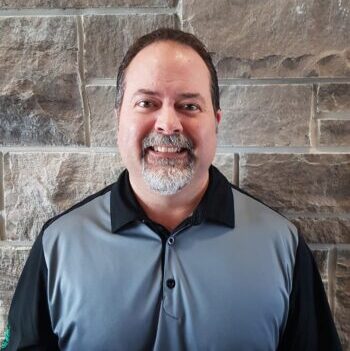
As Jerrod Boyse, FCIP, CRM, VP Operations at Trillium Mutual Insurance Company, reflects:
“Mutual insurance companies were created out of necessity. Communities came together, pooling resources and promising to support one another in times of need. That foundational commitment to shared responsibility still defines who we are today and continues to guide how we help our communities thrive.”
Mutuality at Trillium
At Trillium, that origin story is not just history. It influences how we operate today. Being a mutual means our policyholders are also our members. There are no external shareholders. Every decision we make is centered around long-term stability and member value rather than quarterly earnings pressure. That structure shapes how we invest, how we grow and how we respond during challenging market conditions.
In today’s environment, volatility is the norm. Weather-related losses are increasing. Repair and replacement costs fluctuate. Regulatory requirements evolve. In uncertain markets, policyholders value consistency and transparency. Mutuality supports that steady approach.
But structure alone does not define the difference. The difference is felt.
Most policyholders don’t think about ownership structure day to day. What matters most is the experience they have — particularly during difficult moments. A claim is often the point where expectations meet reality.
As Boyse explains:
“When policyholders purchase an insurance policy, they are buying a promise they may not fully understand until the moment they need it most — a claim. Mutuals are known for delivering on that promise through strong service, personal relationships and a deep connection to the communities they serve. In many ways, it is ‘buy local’ at its best.”
At their core, mutuals are neighbours helping neighbours — and at Trillium, that philosophy shapes how we treat people: fairly, respectfully and with genuine care. Insurance is not a transaction. It is a commitment built on trust.
This approach also influences how we think about long-term sustainability. When policyholders are members, there is a shared incentive to reduce avoidable losses and strengthen collective resilience. Investments in education, risk management resources and operational improvements are commitments to protecting our membership community as a whole.

Looking Forward
Unlike publicly traded insurers that may face pressure for rapid growth or short-term performance, Trillium’s mutual structure allows us to take a measured and disciplined approach. We prioritize stability over speed and resilience over reaction.
In unpredictable markets, pricing alone isn’t enough. Businesses want an insurance partner who is steady, responsive and aligned with their interests. Every decision we make as a company is made with the policyholder at the center. That focus — rooted in our mutual structure and history — is what sets Trillium apart and continues to shape who we are today.
Mutuality is sometimes described as traditional. In reality, it is personal. It is refreshing. It is insurance the way it was always meant to be.
As Boyse puts it:
“When I think of mutuals, I think of stability, caring and forward thinking, with a knowledge of where we have come from, which helps us figure out where we’re going. I got into insurance to help people, and I believe I can do that way better at a mutual than with a stock company. It’s insurance the way it was always meant to be. We are there for our policyholders when they need us.”
At Trillium, mutuality is not just a structure. It is a mindset — one rooted in history, centered on relationships and focused firmly on the future.