LOGIN
LOGIN  REAL CONNECT


March Break is something kids look forward to all winter — a chance to be outside, help around the farm, and enjoy time away from school. On the farm, many of these safety habits are learned from a young age, becoming second nature over time. But as seasons change and routines get busy, it’s easy for small steps to be missed or forgotten.
For farm families, March Break also means more little boots in the yard during a busy time of year. With changing weather, melting snow, and equipment starting to move again, it’s a natural moment to pause, refresh those early lessons, and revisit farm safety together.
Why March Break Brings Unique Risks
Unlike summer, March weather can be unpredictable. Snowbanks hide hazards. Ice creates slippery surfaces. Machinery may be starting up again after winter downtime.
Common seasonal risks include:
- Slippery walkways and icy barn entrances
- Hidden obstacles under melting snow
- Children climbing snow piles near buildings or equipment
- Increased vehicle movement in yards
- Curiosity around stored machinery A few small safety conversations now can prevent big problems later
6 March Break Safety Reminders
❄️ 1. Watch for Hidden Hazards – Snow can conceal tools, uneven ground, frozen ruts, and equipment. Walk key areas before kids head outside.
🚜 2. Park Smart – Keep equipment parked in designated areas. Remove keys and avoid leaving machinery where children naturally gather or play.
🚧 3. Define Clear Play Zones – Designate safe outdoor spaces away from equipment, livestock, fuel storage & water sources.
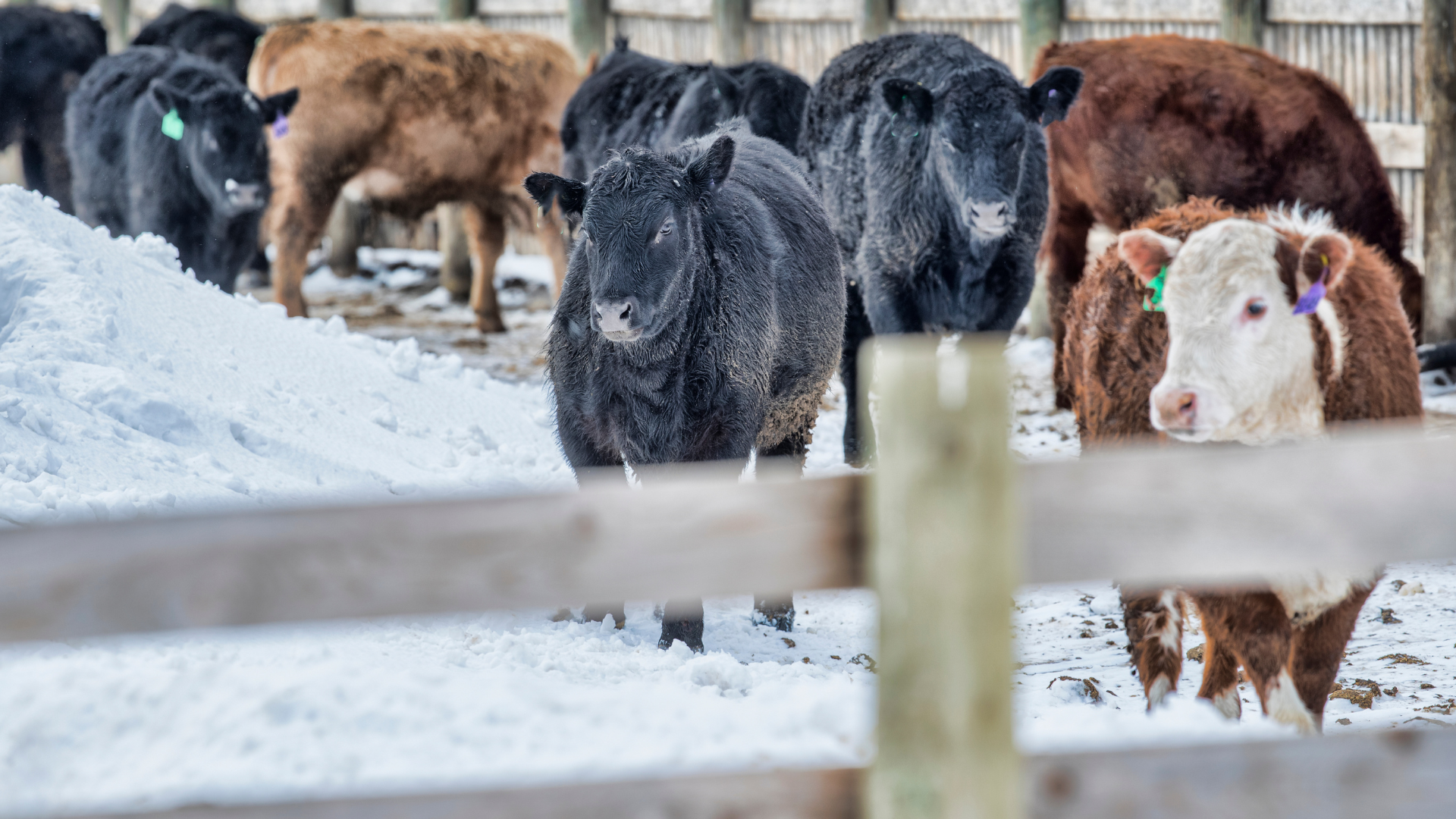
🐄 4. Supervise Around Animals – Even calm animals can react unpredictably — especially during seasonal transitions. No unsupervised visits to barns or pens.
🧯 5. Keep Vents & Exhaust Clear – Snowbanks around barns and homes can block vents and exhaust pipes. Clear them regularly to prevent carbon monoxide buildup.
🗣 6. Talk About “Farm Rules” (even once every few months) – Where to play? Who to tell before going outside? What equipment is off-limits? What to do in an emergency?
Reminders from Our Risk Team
As farm activity picks back up in early spring, it’s important to remember that March Break often means children are around during full operations.
Large equipment and trucks have significant blind spots and limited stopping ability, making it critical that children stay visible and well away from working areas. Clear boundaries should always be in place, and kids should understand which areas are off-limits.
This time of year also brings seasonal hazards unique to farms. Warming temperatures can cause snow to slide off barn roofs unexpectedly, while spring melt can create water buildup in fields with thin layers of ice that may not support weight. For families involved in activities like boiling sap, fire safety is another important consideration.
Why is March Break a higher-risk time on farms?
Children are home more often, routines shift, weather is unpredictable, and equipment may be starting up for spring work.
What are the biggest hazards during March Break?
Ice and slippery surfaces
Hidden objects under snow
Equipment movement
Snowbanks near buildings
Curiosity around machinery
Should children be allowed in barns during March Break?
Only with appropriate supervision and education. Animals can behave unpredictably and it's important for everyone to know how to behave around livestock of any kind.
How can I create safe play zones?
Designate clear areas away from equipment, livestock, fuel storage, and water hazards. Communicate boundaries clearly.
Why are snowbanks a concern?
In rural areas snow banks can hang around longer. They conceal hazards, block visibility for drivers and encourage climbing near unsafe areas.
How do I talk to kids about farm safety without scaring them?
Keep it simple and clear. Explain rules, boundaries, and emergency procedures calmly and consistently.
Should equipment keys always be removed?
Yes. Always remove keys and park machinery in designated areas away from play spaces.
What about carbon monoxide risks?
Ensure vents and exhaust pipes are cleared of snow to prevent dangerous buildup in barns or homes.
How can March Break become a learning opportunity?
Involve children in small, supervised chores and explain why safety rules exist — building lifelong awareness.