LOGIN
LOGIN  REAL CONNECT

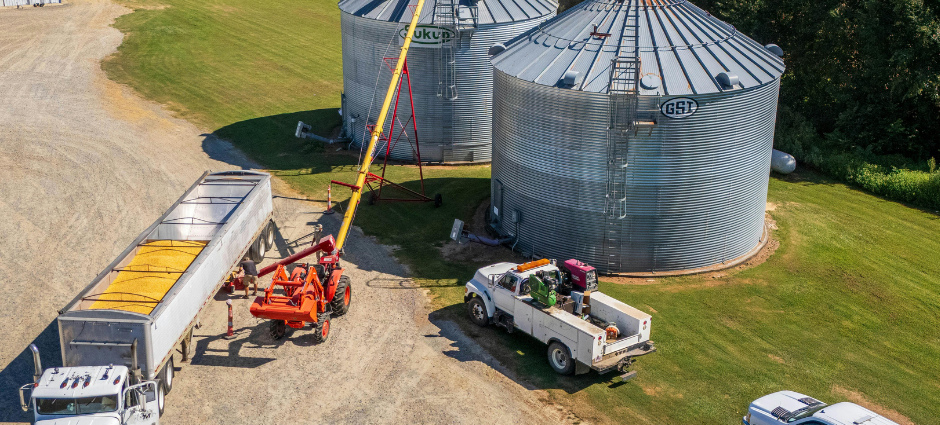

Grain bins are essential to farm operations—but they also present serious confined space hazards. Each year, farms experience preventable injuries related to grain entrapment, oxygen deficiency, and unsafe bin entry procedures.
Understanding the risks and implementing proper safety measures can significantly reduce the likelihood of tragedy.
Why Grain Bins Are Dangerous
Grain bins are classified as confined spaces because they:
- Have limited entry and exit points
- Are not designed for continuous occupancy
- May contain hazardous atmospheres or engulfment risks
Flowing grain can act like quicksand, trapping a person in seconds. Crusted grain can collapse unexpectedly, and mechanical equipment inside bins creates additional hazards.
“Grain bins are high-risk confined spaces. Without proper procedures in place, hazards such as engulfment and oxygen deficiency can escalate to life-threatening situations in seconds” Robert Cardiff, CIP, IRT I, Team Leader, Risk Management
Key Grain Bin Safety Practices
Farm operators can reduce risk by implementing these precautions:
- Never enter a bin alone
- Lock out and tag out equipment before entry
- Use proper fall protection and lifelines
- Test air quality before entering
- Avoid walking on crusted grain surfaces
Clear procedures, regular training, and documented safety policies are critical—especially during busy planting and storage seasons.
Prevention Is Part of Risk Management
Rob explains “Grain bin safety is not just a compliance issue—it’s a core part of farm risk management. Preventative planning protects workers, reduces liability exposure, and helps avoid devastating losses.” A seasonal review of safety procedures with your team—and your broker—can ensure both operational practices and insurance coverage align with current farm activities.