LOGIN
 REAL CONNECT


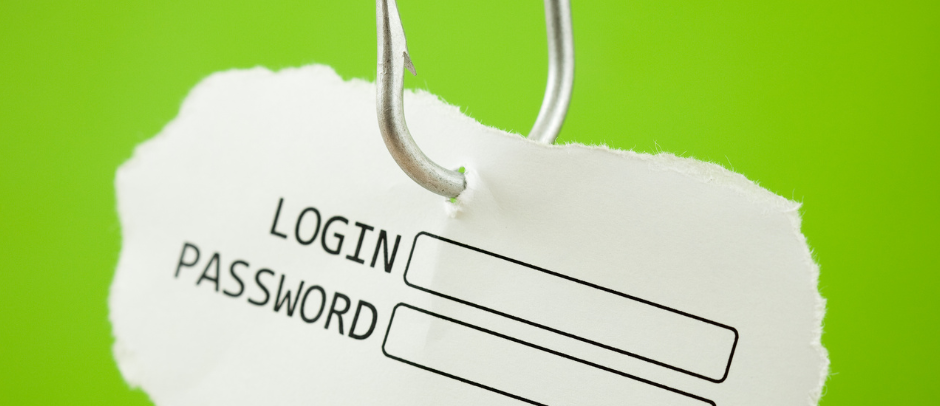

Cyber threats are no longer limited to IT systems — they can impact operations, finances, and reputation across an entire business.
Cyber threats continue to evolve, and one of the most common tactics used by cybercriminals is phishing. Phishing attacks are designed to trick individuals into revealing sensitive information such as passwords, financial details, or business data.
Phishing typically happens through emails, text messages, or fake websites that appear to come from trusted organizations. These messages are often designed to create a sense of urgency, encouraging the recipient to click a link, download an attachment, or provide confidential information.
How Phishing Attacks Work
A phishing message usually pretends to be from a legitimate source such as a bank, delivery company, government agency, or even a colleague. The message may claim there is an issue with an account, a missed payment, or a security alert that requires immediate attention.
Once a user clicks the link or opens the attachment, they may be directed to a fraudulent website or unknowingly install malicious software that allows attackers to access their systems.
Common Signs of a Phishing Email
Although phishing messages are becoming more sophisticated, there are often warning signs to watch for:
- Emails asking for sensitive information such as passwords or banking details
- Messages creating urgency or pressure to act immediately
- Unexpected attachments or links
- Slightly misspelled or unusual email addresses or website links
- Messages that feel generic or abnormal compared to normal communication
“Many cyber incidents start with something simple, like a phishing email — which is why awareness and training are so important,” says Mathieu Savage, Manager of IS and Innovation at Trillium Mutual Insurance Company.
How Businesses Can Protect Themselves
Businesses and organizations can reduce their exposure to phishing attacks by taking a few proactive steps:
- Train employees to recognize suspicious emails and links through training and onboarding programs
- Use multi-factor authentication (MFA) for important accounts
- Keep software and security systems updated
- Implement email filtering and spam protection tools
- Encourage staff to report suspicious emails rather than interacting with them
Taking steps to prevent cyber incidents while also preparing for potential risks is an important part of modern risk management. To learn more about protecting your farming operation from cyber threats, explore Agriculture and Agri-Food Canada’s Risk Management resources, including their cyber security guidance for farming businesses.
What to Do if You’ve Been the Victim of a Cyber Attack
- Gather all details, including photos, emails, and phone numbers.
- Report the incident to local police.
- Contact the Canadian Anti-Fraud Centre.
- Notify affected organizations, such as your bank, customers, or Service Canada.
Protect Yourself with Insurance Coverage
The NEW CyberSuite Program offers a fresh way to protect your business against the latest cyber threats. An attack can be quick and the losses can be major, affecting your reputation, bottom line and ability to complete daily activities.