LOGIN
LOGIN  REAL CONNECT

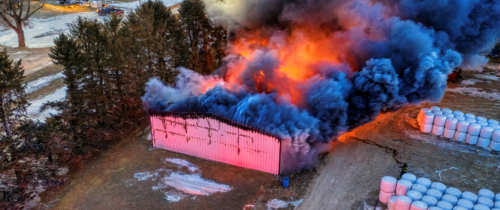
Electrical-related fires remain one of the leading causes of farm property losses. Much like in industrial and commercial settings, electrical systems are closely monitored to prevent downtime and major losses. The difference on farms is the environment. Electrical infrastructure is exposed to dust, moisture, corrosion, and heavy seasonal loads that push systems harder than most commercial buildings ever experience. Agricultural Electrical Monitoring Systems (AEMS) bring the same proactive risk‑management approach used in industrial operations to the farm, providing:
- Early detection of electrical faults
- Reduced risk of fire and downtime
- Added peace of mind for farm operators
- Support for long‑term risk management planning

As David Colyn, Manager of Risk & Claims explains, “The use of technology to monitor systems has long been standard practice in industrial and commercial risk management. Farms face many of the same electrical stresses. Applying that same proactive approach is simply good risk management. With the unique pressures farm systems face, proactive monitoring doesn’t just reduce risk—it opens the door to a wide range of operational, safety, and long‑term risk‑management benefits.”
How it works
Electrical monitoring detects leakage to ground, proiding early visibility into issues that would otherwise stay hidden. Each notification prompts timely attention, allowing you to triage the situation, determine the severity, and take action before a small anomaly becomes a bigger problem.
When abnormal activity is detected:
- Respond to the notification
- Troubleshoot and identify the issue
- Isolate the issue and plan corrective action
Developing your routine of response is most important. The next step is knowing how to troubleshoot the problem. Electrical systems are not everyone’s specialty and collaboration with your vendor and a qualified electrician could only be of benefit.
Who Benefits with an Agricultural Electrical Monitoring System
Agricultural Electrical Monitoring Systems (AEMS) are a practical fit for farms of all types and sizes. Whether running livestock barns, new or older infrastructure, elevators or highly automated operations, monitoring helps catch electrical issues early. This can prevent downtime and protect your livestock, buildings and equipment through business continuity.
What is an Agricultural Electrical Monitoring System (AEMS)?
AEMS (Agricultural Electrical Monitoring System) is your farm’s best friend when it comes to keeping things running smoothly. Think of it as your 24/7 watchdog, always on duty to ensure your electrical systems are operating perfectly. The solution can help you stay one step ahead by giving you a line of sight into possible disruptions from a major loss due to unanticipated downtime or resulting fire
Why are electrical fires so common on farms?
Farm environments expose electrical systems to dust, moisture, vibration, corrosion, and heavy load demands — all of which increase wear and risk of hidden faults.
What types of problems can AEMS detect?
AEMS can detect:
- Broken or Defective Fans
- Faulty Ballast
- Junction Box Moisture
- Faulty or Damaged Pumps
- Overheating Electrical Panels
- Non-compliant Connections
How does AEMS support traditional inspections?
An inspection is periodic. AEMS monitors your system 24/7, detecting issues between inspections — often before visible signs appear.
Is AEMS only for large livestock operations?
No. While especially beneficial for livestock barns and high-demand operations, farms of many sizes can benefit — particularly those with older wiring.
What happens when the system detects a problem?
Each system and vendor operates different, but in general an alert is generated and sent to the farmer so the issue can be investigated and corrected before it escalates into a major loss.
Is electrical monitoring expensive?
Costs vary by operation size, but preventing even one barn fire can far outweigh the cost of installation and monitoring.
How do I know if AEMS is right for my farm?
Start with a conversation with your broker to review your electrical load, infrastructure age, livestock exposure, and operational risk profile.
Learn More
To learn more about Agricultural Electrical Monitoring Systems and how they fit into a broader farm risk management strategy, contact your broker or visit our program page to find a vendor near you.